
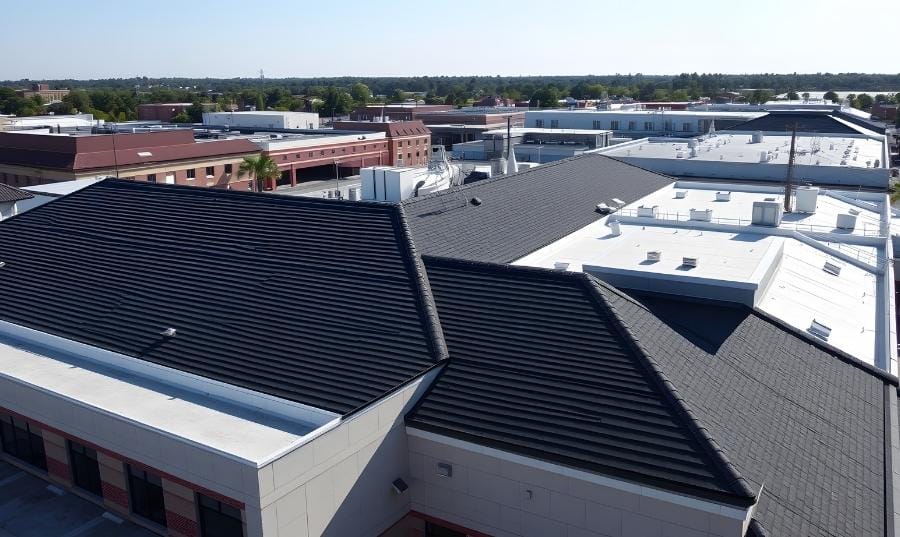
When you own or manage a commercial building, the roof isn’t something you can leave to chance. A commercial roofing inspection is a detailed professional assessment of your roofing system to determine its condition, safety, and performance. These inspections are not optional. For businesses, they are essential to prevent unexpected shutdowns, expensive damage, and compliance issues that could cost far more than routine maintenance.
A properly executed roof inspection ensures the property stays protected, operations continue smoothly, and the building remains compliant with safety regulations. It is preventative, practical, and financially smart.
Why Commercial Roofing Inspections Matter
A routine inspection by a licensed commercial roofing contractor plays a direct role in the long-term health of a business. A commercial roof isn’t just weather protection; it is part of the facility’s infrastructure, equipment safety, and daily operations. Professional inspections provide benefits such as:
- Prevent costly repairs before problems become disasters
• Ensure the roof meets safety codes and insurance requirements
• Extend the overall lifespan of the commercial roofing system
• Improve energy efficiency and reduce utility costs
• Reduce business downtime caused by leaks or structural issues
Ignoring inspections is like ignoring warning lights on a dashboard. Sooner or later, the repair bill gets much bigger.
Types of Commercial Roofs That Need Inspection
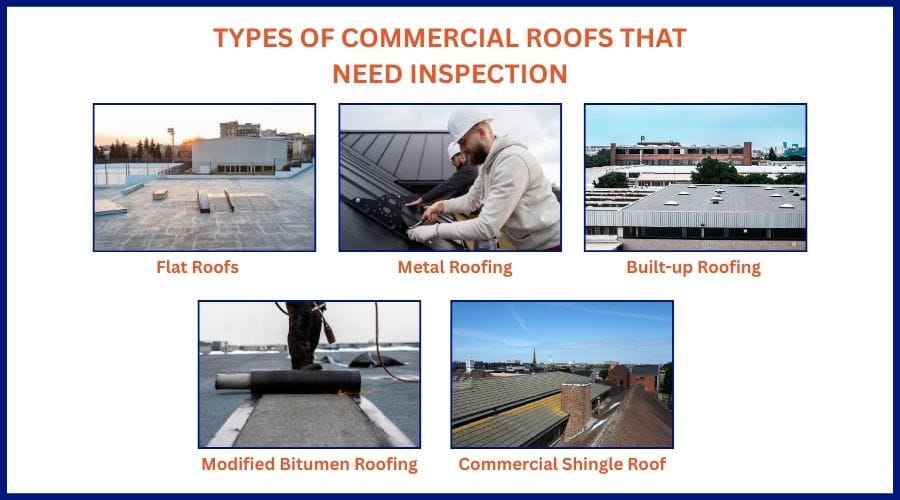
No two commercial roofs are the same, but all of them require periodic inspection. The most common include:
- Flat roofs
- Metal roofing systems
- Built-up roofing (BUR)
- Modified bitumen roofing
- Commercial shingle roof systems
Each roofing type has different vulnerabilities, so knowing what to look for is crucial.
What Happens During a Commercial Roofing Contractor Inspection?
A professional inspection follows a structured and meticulous process. Here’s what a business owner can expect during the visit from a licensed commercial roofing contractor:
Initial Consultation & Site Assessment
Understanding roof history, age, previous repairs, and any current concerns.
Exterior Roof Examination
Reviewing the roof surface, seams, drains, flashings, and visible wear.
Interior Roof Inspection
Checking ceilings, attic spaces, insulation, and ventilation for signs of leaks or moisture.
Structural & Material Evaluation
Inspecting decking, membranes, anchors, and load-bearing components to ensure integrity.
Thermal Imaging or Drone Inspection (If Used)
In some cases, advanced tools are used to detect hidden moisture, insulation gaps, and structural weaknesses without intrusive testing.
Common Issues Found During Commercial Roof Inspections
Commercial roof systems face constant stress from weather, foot traffic, and aging. The most frequent problems discovered include:
- Ponding water on flat roofs
• Membrane punctures and rips
• Aging and brittle roofing materials
• Loose or deteriorated flashing
• Poor drainage or clogged gutters
• Storm and wind-related damage
• UV-related deterioration
These issues may start small, but without intervention they develop into leaks, mold, and structural risk.
How Often Should a Commercial Roof Be Inspected?
Most industry standards recommend:
- Twice per year (spring and fall)
• After major storms, hurricanes, or high-wind events
• Before and after winter, especially in cold climates
A regular inspection schedule protects warranties, prevents surprises, and allows businesses to plan repairs instead of reacting to emergencies.
What Happens After the Inspection?
The process doesn’t end on the roof. A professional roofing partner provides:
- A detailed written inspection report
• Photo documentation of the current condition
• Repair or reinforcement recommendations
• A cost estimate for repairs or restoration
• A customized maintenance plan to extend roof life
Transparency and documentation ensure the business owner knows exactly what the roof needs and when.
Benefits of Hiring Apex Roofing Pro for Commercial Roof Inspections
Not all roofing companies are created equal. Apex Roofing Pro is the preferred choice for commercial inspections because of:
- Local experience backed by years in the New York market
• Licensed and insured contractors
• Fast, reliable response and scheduling
• Comprehensive inspection reports with photos
• Long-term maintenance options for commercial properties
• Service area covering the entire New York region
Apex Roofing Pro isn’t focused on one-time fixes. The goal is long-term roofing protection that keeps businesses running without interruption.
Conclusion
A commercial roof is a business asset, not an afterthought. Scheduling routine inspections with a licensed commercial roofing contractor is the smartest way to reduce repair costs, maximize roof lifespan, and keep business operations protected year-round. Whether the roof is aging, recently repaired, storm-damaged, or simply due for a routine check, the right contractor makes all the difference.
Apex Roofing Pro delivers reliable commercial roofing inspections backed by expertise, reporting, and long-term solutions that businesses can depend on.
FAQ
1. How long does a commercial roof inspection take?
A commercial roof inspection usually takes between one to two hours, depending on the size of the building, roof accessibility, and whether interior areas need to be checked. Larger or older roofs may take longer because the contractor has to document damage, evaluate past repairs, and ensure the whole system is structurally safe.
2. Do commercial roofing contractors use drones?
Yes, many commercial roofing contractors use drones to capture high-resolution images of areas that are difficult or unsafe to inspect manually. Drone inspections help identify leaks, weak spots, and hidden structural issues without interrupting business operations. It also reduces risk, increases accuracy, and speeds up the reporting process.
3. What does an inspection report include?
A commercial roof inspection report contains a visual summary of the roof’s current condition, detailed photographs, documented problem areas, moisture or damage findings, remaining lifespan estimates, and recommended repairs. It also outlines urgency levels, pricing expectations, and maintenance guidance so owners can plan budgets and avoid unexpected business disruptions.
4. How much does a commercial roof inspection cost?
The cost of a commercial roof inspection varies depending on roof size, complexity, and whether specialized technology like thermal imaging or drones is required. Some contractors include the inspection fee as a credit toward future repairs. Businesses should view inspection costs as preventive savings that protect equipment, employees, and structural integrity.